
Mold Inspection and Testing in Decatur, GA
A mold inspection is a hands-on assessment of a property to find where moisture is getting in and where growth is likely hiding, using visual examination, moisture meters, and thermal imaging. Mold testing is the narrower step of collecting air or surface samples for lab analysis to identify what is present. An inspection tells you where the problem is and what is feeding it; testing tells you what kind of spores are in the sample and roughly how many. Call (678) 582-2476 to talk through which one your situation actually calls for. The distinction matters, because plenty of homeowners buy a test when what they needed was somebody to find the leak.
What a Mold Inspection Involves
Visual Assessment
The inspection starts with a methodical walk-through of the areas of concern and the places moisture tends to collect: under sinks, behind toilets and washing machines, around window frames, along basement walls, in the attic near roof penetrations and bath fan ducting, and through the crawl space. Visible staining, warped trim, bubbling paint, and separated baseboards all point somewhere.
Moisture Mapping
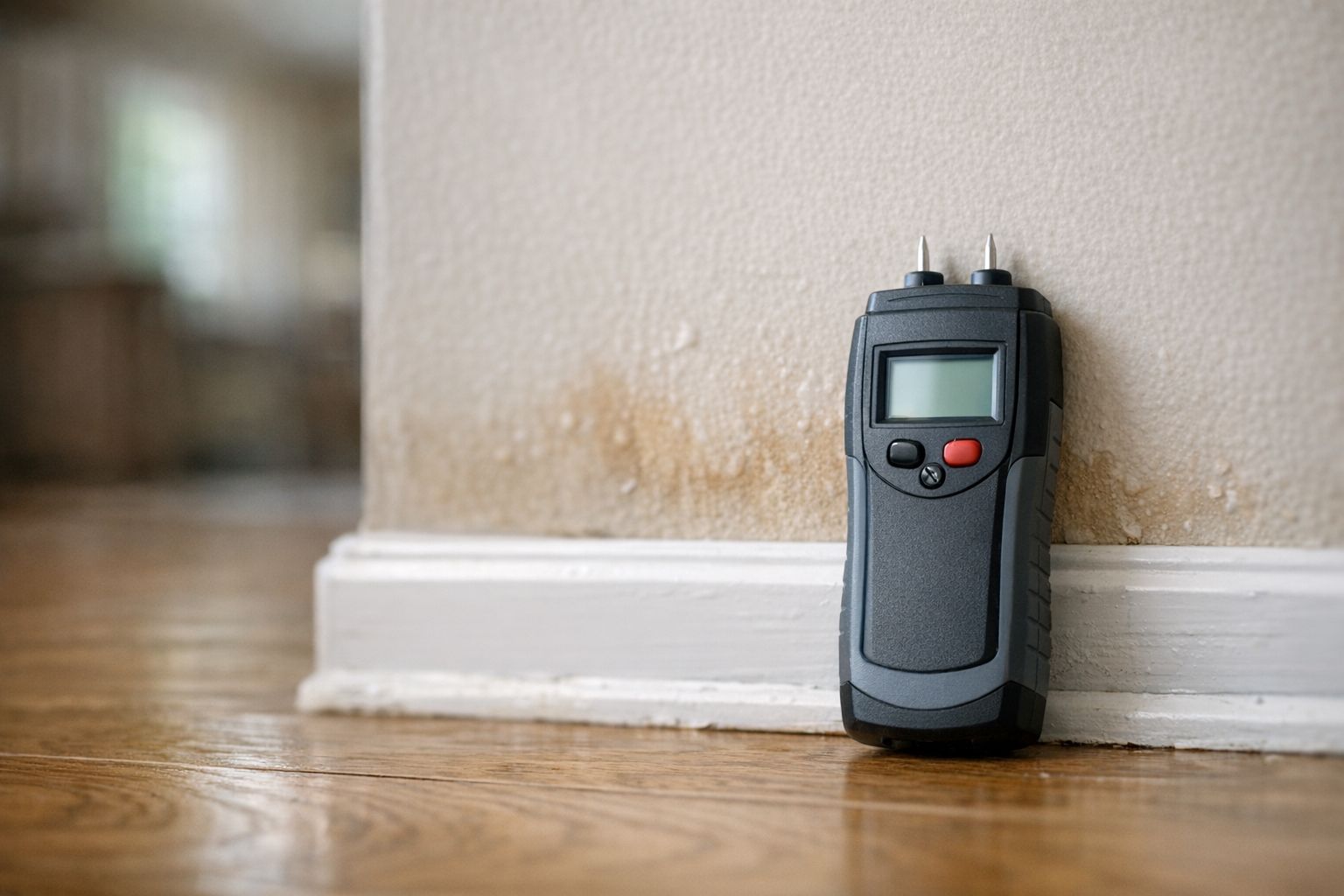
Moisture meters read how much water is actually held inside building materials, which is the difference between a stain that dried out years ago and one that is still actively wet. Pin and pinless meters are used across walls, subfloors, and framing to trace how far moisture has traveled from its entry point. The result is a map of which materials read elevated against a comparably dry area of the same house, which is the practical basis for deciding what comes out and what only needs drying.
Thermal Imaging
An infrared camera does not see mold and does not see water. It sees temperature differences across a surface, and wet material typically reads cooler than the dry material around it. That makes thermal imaging useful for spotting a suspicious pattern inside a wall or ceiling without opening it first. Findings from the camera get confirmed with a moisture meter before anyone draws a conclusion.
What Mold Testing Does and Does Not Tell You
Air Sampling in Plain Language
Air sampling pulls a measured volume of air through a collection device that traps airborne spores, which a lab then counts and identifies. An indoor sample is normally paired with an outdoor control sample, because spores exist in outdoor air everywhere and the meaningful question is whether the indoor count is unusual compared with what is right outside the door. Air sampling is most useful when you suspect hidden growth and have nothing visible to swab.
Surface Sampling in Plain Language
Surface sampling means taking a sample directly from a material — commonly a swab or a piece of clear tape lifted from the spot — so a lab can confirm whether that discoloration is mold growth and what type. It answers a specific question about a specific spot. It says nothing about the rest of the house, and it does not tell you how far the growth extends behind the surface.
The Honest Limits of a Test Result
A sample is a snapshot of one place at one moment. Spore counts fluctuate with activity in the house and with whether a window has been open. There is no universal threshold separating a safe result from an unsafe one, and no lab report can tell you how a result will affect a particular person's health. What a test can do well is confirm that visible growth is what you think it is, indicate elevated indoor spore levels compared with outdoors, and give you documentation. Deciding what to remove still comes from the inspection.
When Inspection or Testing Is Worth Doing
After Water Damage
Once a leak or flood has been dried, an inspection verifies that materials genuinely reached a dry, stable moisture level rather than merely feeling dry. This is where moisture mapping earns its keep, since water travels along framing and under flooring well past what the room shows.
A Musty Smell With Nothing Visible
That earthy basement or crawl space odor with no growth in sight is the single most common reason people call. The smell is real information — it means moisture and organic material are meeting somewhere. An inspection is aimed at finding where, and air sampling can support the finding when nothing is accessible to swab.
Buying or Selling a Home
Older housing stock is normal in this part of DeKalb County, and a standard home inspection is not a moisture investigation. If a listing has a crawl space, a finished basement, a repaired roof, or an odor you noticed at the showing, a dedicated look before closing tells you what you are taking on while there is still room to negotiate.
Before and After Remediation
An inspection before removal defines the scope so the work is not guesswork, and post-remediation verification after the work confirms the area is dry, clean, and ready to be rebuilt.
An Inspection Is a Diagnosis, Not a Fix
What Happens After the Findings
Testing changes nothing about the condition of your house. It produces information — where the moisture is, how far it has spread, what is growing. Acting on that information is the part that solves the problem, and that means removal of affected materials, containment, HEPA filtration, and repair of whatever was letting water in. If an inspection confirms growth at your property, the mold removal and remediation service page covers what the treatment work involves. In many cases the source is obvious enough that inspection and correction happen in the same visit, with no need for a lab report to confirm what is already visible.
Where Moisture Hides in Decatur Homes
Crawl Spaces, Basements, and Older Construction
In and around Decatur, the same handful of places account for most findings. Vented crawl spaces under older bungalows collect humidity that condenses on cool framing and ductwork. Dense red clay soil holds rainwater against foundation walls instead of draining it away, which shows up as damp basement corners after a storm. Finished basements hide the wall they are built against. Attics collect it from bath fans vented into the attic instead of through the roof. Knowing which of these a house has narrows the search before anyone opens a wall.
Serving Decatur and DeKalb County
Decatur and Nearby Areas
Mold inspection and testing is available across Decatur and surrounding DeKalb County communities including Tucker, Stone Mountain, and Stonecrest.
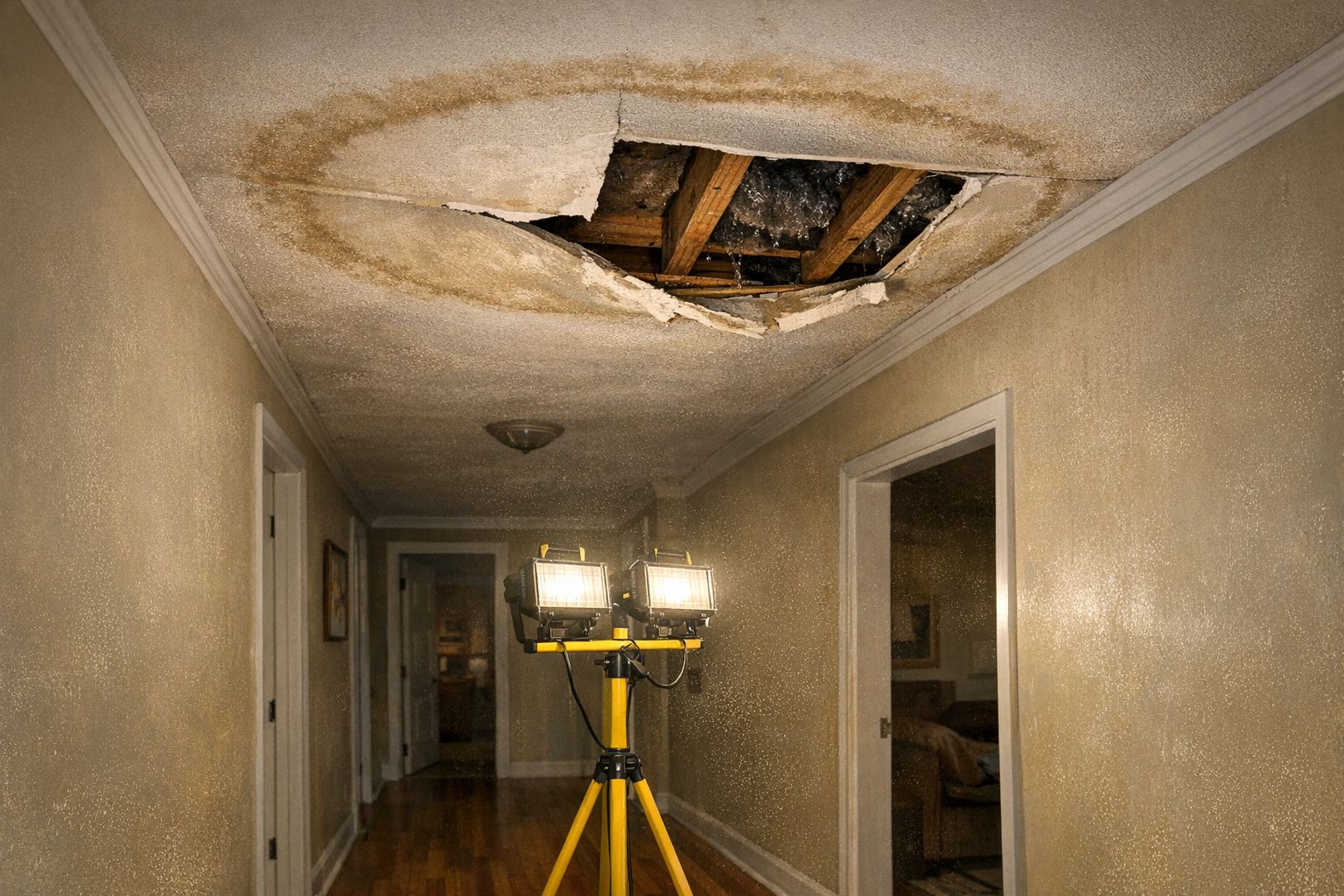
Water damage restoration in progress — Decatur, GA
Musty smell, a spot you cannot explain, or a house you are about to buy? Call (678) 582-2476 to get it inspected.
24/7 emergency response · Free on-site damage assessment
📞 Call (678) 582-2476Get Emergency Help
No obligation · Available 24/7
Takes 60 seconds · No obligation
Related Articles
Why Choose Us?
- Licensed & Insured
- Locally Operated
- 24/7 Emergency Response
- Free Damage Assessment
- Insurance Documentation
- Industrial Drying Equipment