

Mold Removal and Remediation in Decatur, GA
Mold removal is the physical work of taking out mold-affected materials and cleaning contaminated surfaces. Mold remediation is the larger job around it — containing the work area, filtering the air, and correcting the moisture problem that let the growth start in the first place. Mold can take hold within 24 to 48 hours of a material staying wet, which is why removal so often follows a leak or a flood. Call (678) 582-2476 if you are seeing growth, smelling something musty, or drying out from recent water damage. Homeowners use the two words interchangeably, and that is fine — what matters is that the growth comes out and the conditions that fed it get fixed. Doing one without the other is the most common reason mold reappears in the same corner a few months later.
What Mold Removal Actually Involves
Containment Before Anything Is Touched
Disturbing mold releases spores into the air, so the affected area gets sealed off before any removal begins. That usually means plastic sheeting over doorways, covered vents and returns so the HVAC system does not carry spores into clean rooms, and negative air pressure inside the work zone so air flows in rather than out. Skipping containment is how a problem confined to one bathroom wall ends up spread across three rooms.
HEPA Filtration and Air Scrubbing
Air scrubbers fitted with HEPA filters run inside the contained area throughout the job, pulling airborne particles out of circulation while materials are cut, bagged, and carried out. HEPA vacuuming of surrounding surfaces follows the removal itself, since settled spores and dust do not disappear just because the visible growth is gone.
Removing Porous Materials
Mold does not sit politely on top of porous building materials — it grows into them. Drywall, insulation, carpet padding, ceiling tile, and particleboard cabinetry that have supported active growth generally come out rather than get cleaned, because the roots reach past anything a surface treatment can reach. Non-porous and semi-porous materials are a different story: framing lumber, subfloor, concrete, tile, and metal can usually be cleaned, treated, and kept. Which materials go and which stay is a judgment call made at the property, and it drives most of the scope.
Treating the Moisture Source
Every mold problem is a moisture problem first. A supply line that still drips, a crawl space with no vapor barrier, a downspout dumping against the foundation — until that is corrected, new growth is only a matter of time. Mold remediation includes identifying the water source and drying the structure down to a stable moisture level, verified with meter readings rather than by how a wall feels to the touch.
Why Georgia Humidity Makes Mold Worse
A Humid Subtropical Climate Works Against Drying
Metro Atlanta sits in a humid subtropical climate, which means outdoor air often carries enough moisture that simply opening windows and running a box fan does very little. Mold needs moisture, an organic food source, and time — Georgia reliably supplies the first, house framing and paper-faced drywall supply the second, and the third is the only variable a homeowner controls.
Crawl Spaces, Red Clay, and Finished Basements
A great many Decatur-area houses sit on crawl space foundations, and a crawl space is where moisture problems hide longest. The region's dense red clay soil sheds water poorly and holds it against foundations after heavy rain, pushing dampness up into crawl spaces and basement walls. Finished basements add another layer: framing and carpet installed against a below-grade wall can hide growth for a long stretch, with only a faint odor to give it away. Older bungalows near downtown Decatur combine several of these at once — original wood framing, a vented crawl space, and decades of small plumbing repairs.
The 24 to 48 Hour Window
Why Timing Drives the Size of the Job
Under damp conditions, mold can begin colonizing materials within roughly 24 to 48 hours. That window is the practical dividing line between a drying job and a mold remediation job. Water dried inside that window usually stays a drying job. Water that sat over a weekend, or wicked behind a baseboard where nobody looked, becomes a removal job. If you have had a leak or storm intrusion recently, treating it as urgent keeps the job small.
Small Cleanup vs. Professional Containment
When a Surface Cleanup Is Reasonable
Not every spot of mold calls for a crew. A small patch of surface growth on a hard, non-porous surface — shower tile and grout, a windowsill collecting condensation, the inside of a rarely used cabinet — can often be cleaned by a homeowner with basic protection and good ventilation, as long as the moisture behind it gets fixed at the same time. The limits are simple: small area, non-porous surface, and growth sitting on top of the material rather than coming through it.
When Removal Needs to Be Contained
Professional containment makes sense once any of these are true: the growth covers a sizable area, it is on or behind porous materials like drywall and insulation, it is inside an HVAC system, it followed contaminated water such as a sewage backup, or it keeps returning after being cleaned. Growth visible on one side of a wall has usually established itself on the other side too. If you are unsure which category you are in, describing what you are seeing over the phone at (678) 582-2476 is a faster way to sort it out than guessing.
Health Considerations, Kept in Perspective
What Is Reasonable to Expect
Damp indoor environments and mold exposure are commonly associated with respiratory irritation, coughing, congestion, and worsened asthma or allergy symptoms, and reactions vary considerably from person to person. The honest framing is that no one can tell you from a photo how a particular growth will affect your household. If someone at home is having symptoms you are concerned about, that is a conversation for a doctor. The building side of the problem — getting the growth out and the moisture stopped — is the part that gets handled here.
Serving Decatur and Surrounding DeKalb County
Decatur and Nearby Areas
Mold removal and remediation is available throughout Decatur and nearby DeKalb County communities including Brookhaven, Avondale Estates, and Clarkston. If you want the problem identified and documented before any work begins, mold inspection and testing is available as a separate first step.
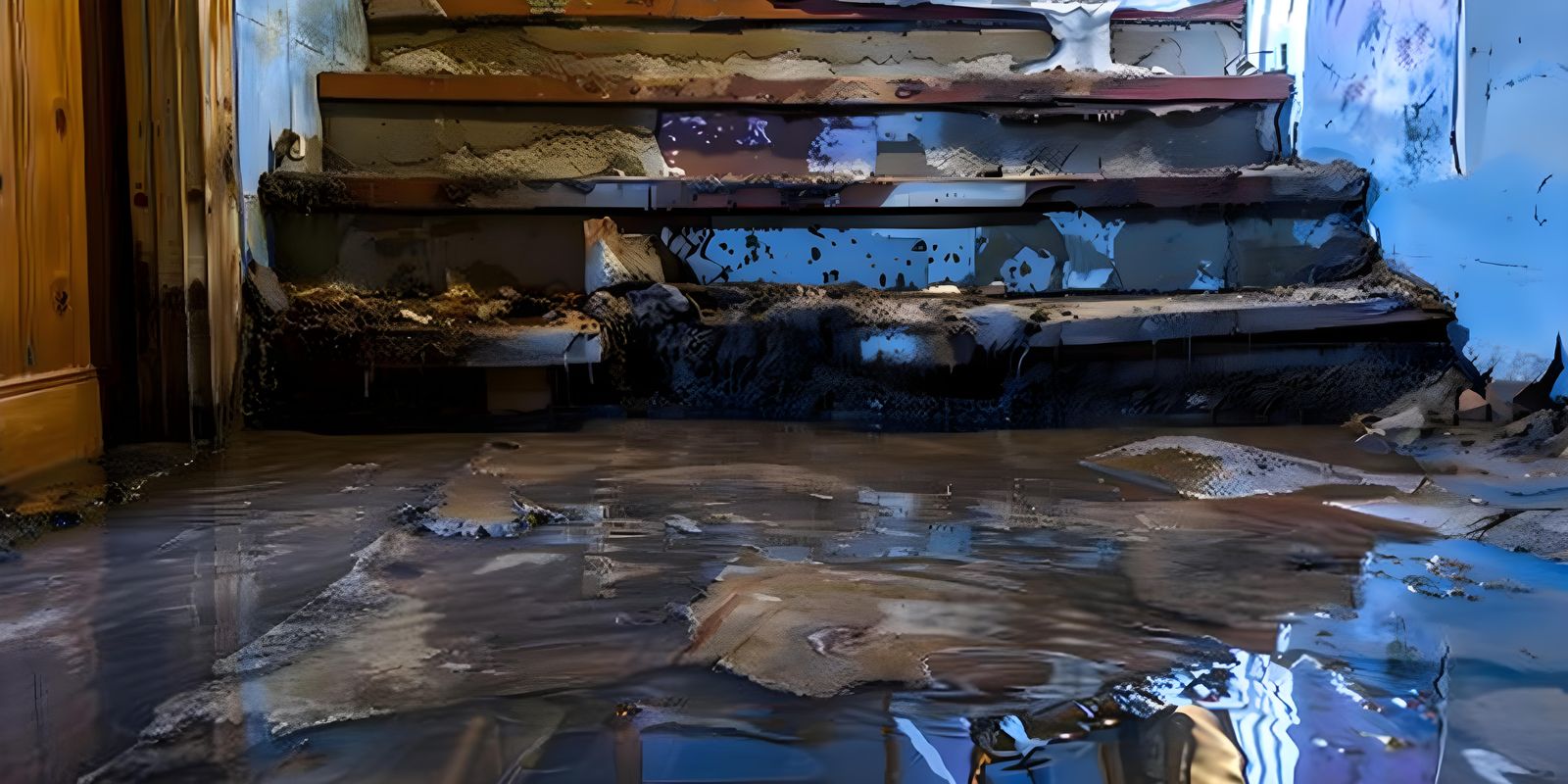
Water damage restoration in progress — Decatur, GA
Seeing mold, smelling it, or drying out from a recent leak? Call (678) 582-2476 for a fast mold removal assessment, day or night.
24/7 emergency response · Free on-site damage assessment
📞 Call (678) 582-2476Get Emergency Help
No obligation · Available 24/7
Takes 60 seconds · No obligation
Related Articles
Why Choose Us?
- Licensed & Insured
- Locally Operated
- 24/7 Emergency Response
- Free Damage Assessment
- Insurance Documentation
- Industrial Drying Equipment